Speaker, moderator, chair.

Jane has addressed ministers at the United Nations, scientists at the World Health Summit and a full house at Speaker Slam in Toronto. She brings the evidence and the person it is about.

Watch Jane Speak

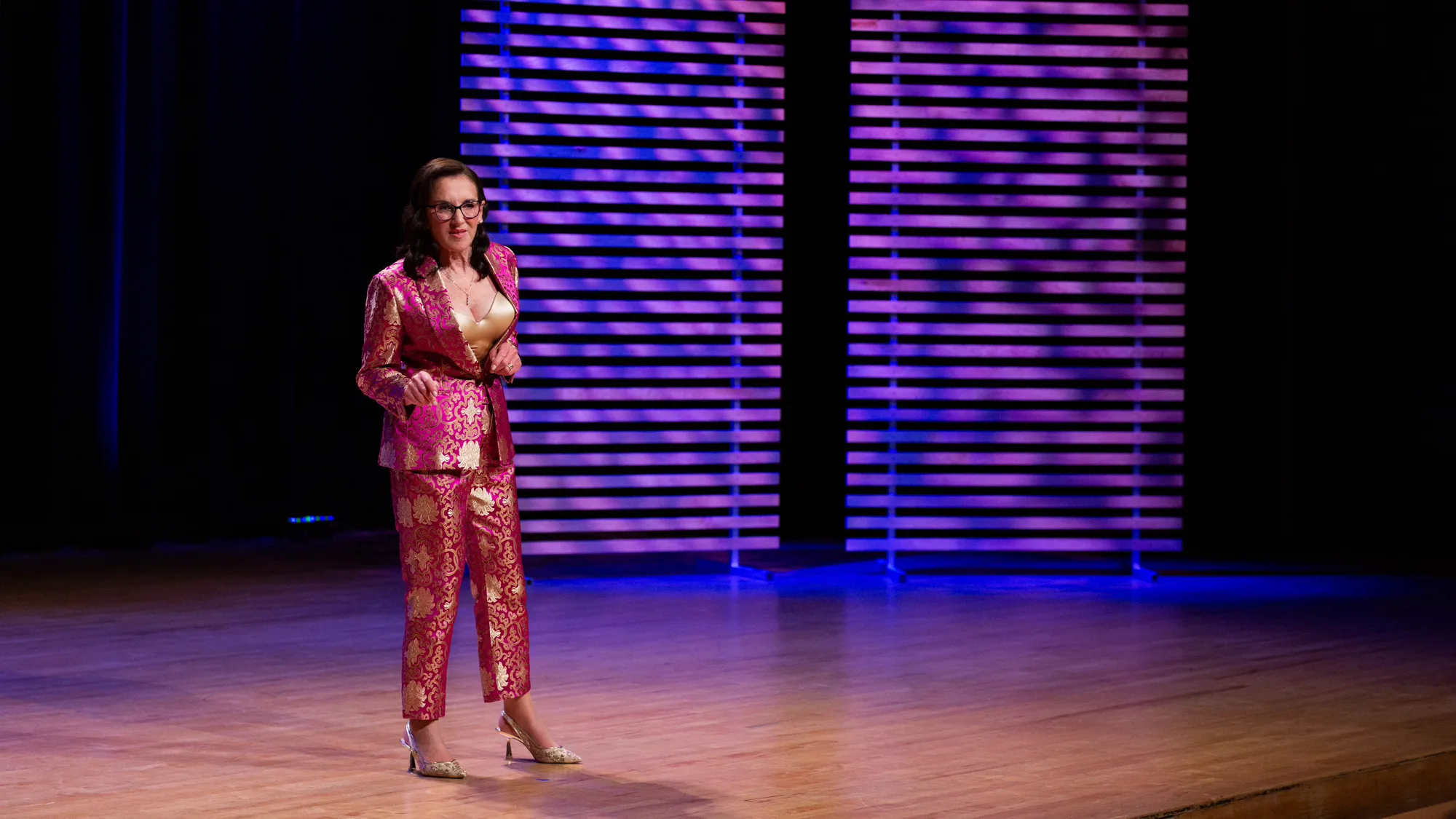
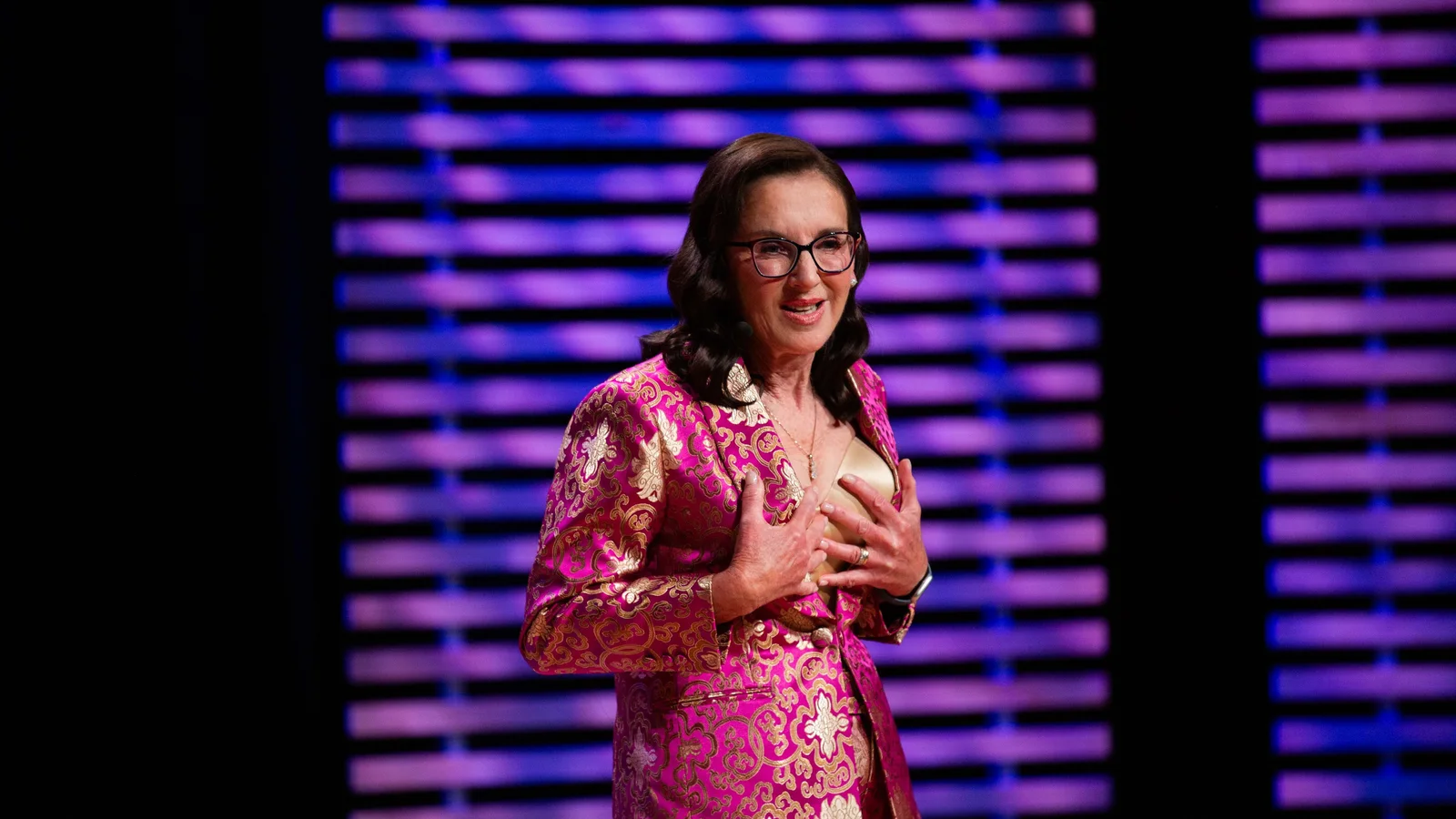
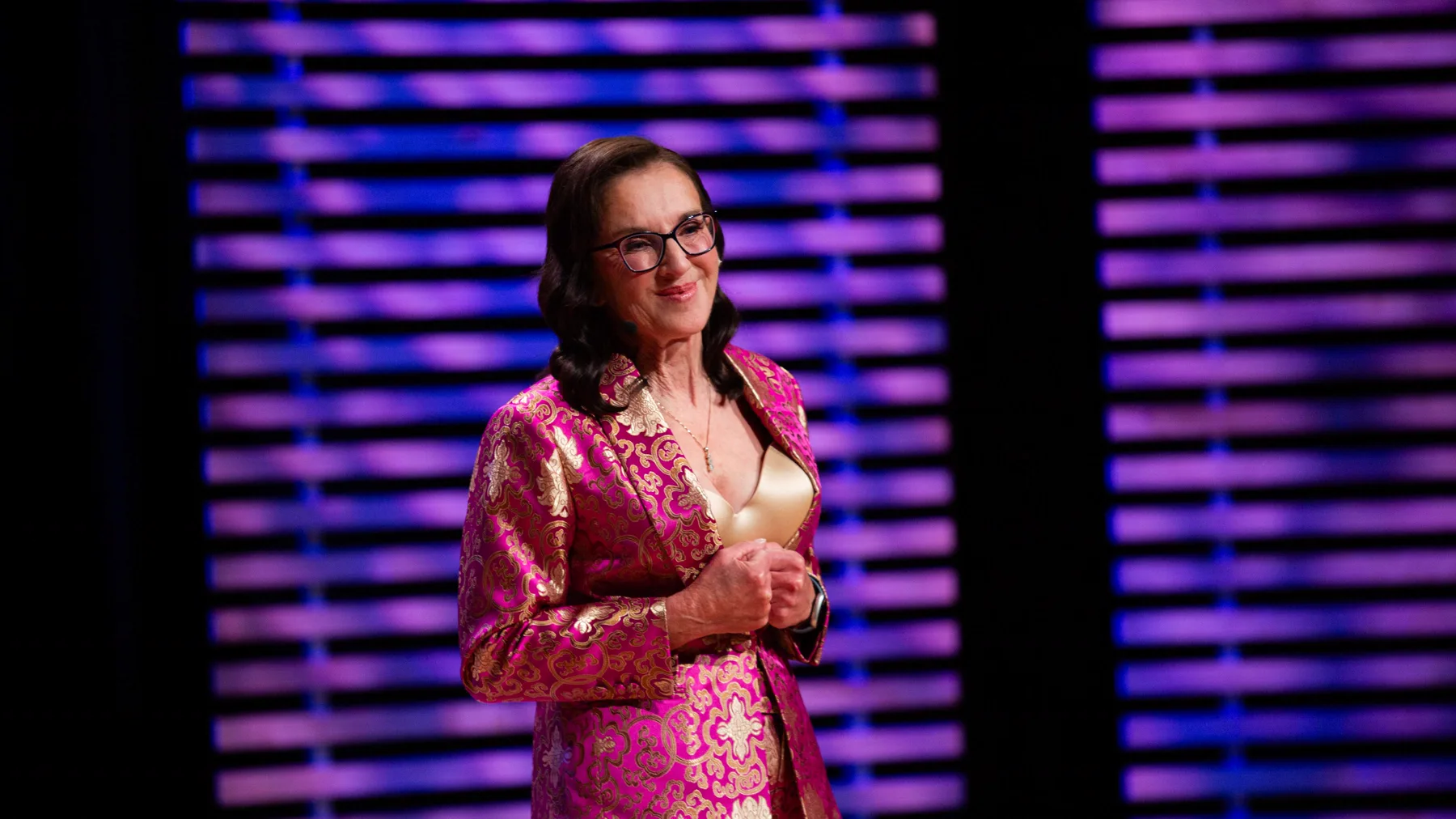
Dr. Jane Barratt speaking on stage in a fuchsia and gold suit

Which talk fits your event?

Six keynotes. Each one is adapted with the organiser for the people in the room.

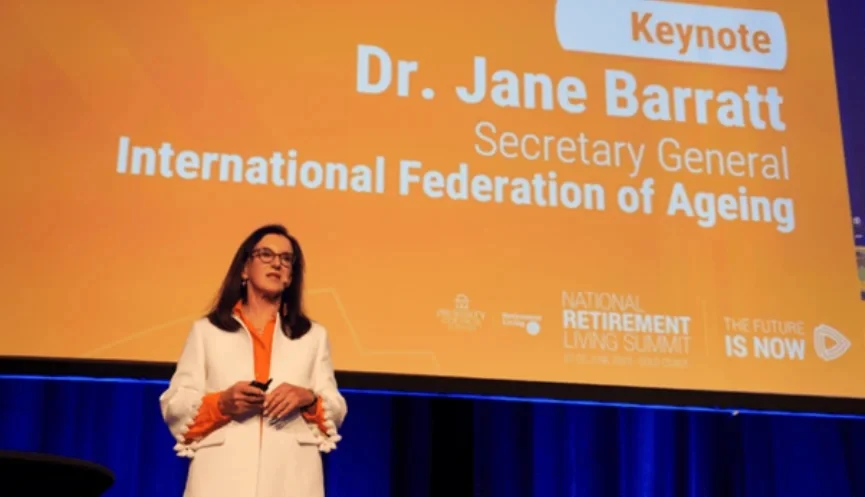
Dr. Jane Barratt giving the keynote at the National Retirement Living Summit in Australia

Hope as a Counterforce to Structural Ageism

Ageism is often treated as a problem of attitudes or language. It is embedded in the design and operation of public systems, influencing how support is structured across different stages of life.

Read the full description

This keynote focuses on how these system design choices shape who is seen, who is prioritized, and who is left waiting as populations age. Ageing slips out of focus, not through a single act of exclusion, but through choices that accumulate quietly. Systems continue to refer to ageing, but they are rarely prepared for what longer lives actually require in practice.

Hope enters as a counterforce in a very practical sense. It becomes visible when responsibility for ageing is clearly held, when prevention is prioritized early rather than deferred, and when dignity is protected through system design rather than goodwill. This work equips leaders to recognize how structural ageism operates in their own settings, to see where reassurance has replaced readiness, and to understand what changes when ageing is treated as a core responsibility in decisions, budgets, and institutional practice.

Learning outcomes
  1. Describe how structural ageism shows up in policy, financing, and organisational culture.
  2. Recognise hope as a strategic force, grounded in governance, investment, and global examples of real progress.
  3. Apply actionable insights to make ageing visible in systems, decisions, and leadership priorities.

Jane Barratt turning a globe in her hands

Ageing Isn't a Crisis: It's the Engine of the Economy

Longer lives are still discussed as a problem to absorb. A cost to manage. A risk to the public purse. Yet ageing is already reshaping how economies function, who works, who consumes, who cares, and who holds systems together when labour markets thin and services fray.

Read the full description

In this keynote, Jane looks at why so much economic value goes unseen. Not because it is marginal, but because our models are narrow. Paid work is counted. Care is not. Contribution is measured over short horizons, while longer lives unfold across decades. The result is a persistent misreading of dependency, delayed investment, and policies that weaken resilience just as societies need it most.

This is not an argument for optimism. It is an argument for accuracy. When institutions design for longer working lives, sustained participation, and the realities of care across the life course, economic policy begins to shift. Not toward containment, but toward durability. Not toward burden, but toward stability, contribution, and shared prosperity over time.

Learning outcomes
  1. Recognise the economic and social value generated by longer healthier lives.
  2. Apply policy strategies that leverage multigenerational strength.
  3. Build age-inclusive cultures that fuel innovation, sustainability, and growth.
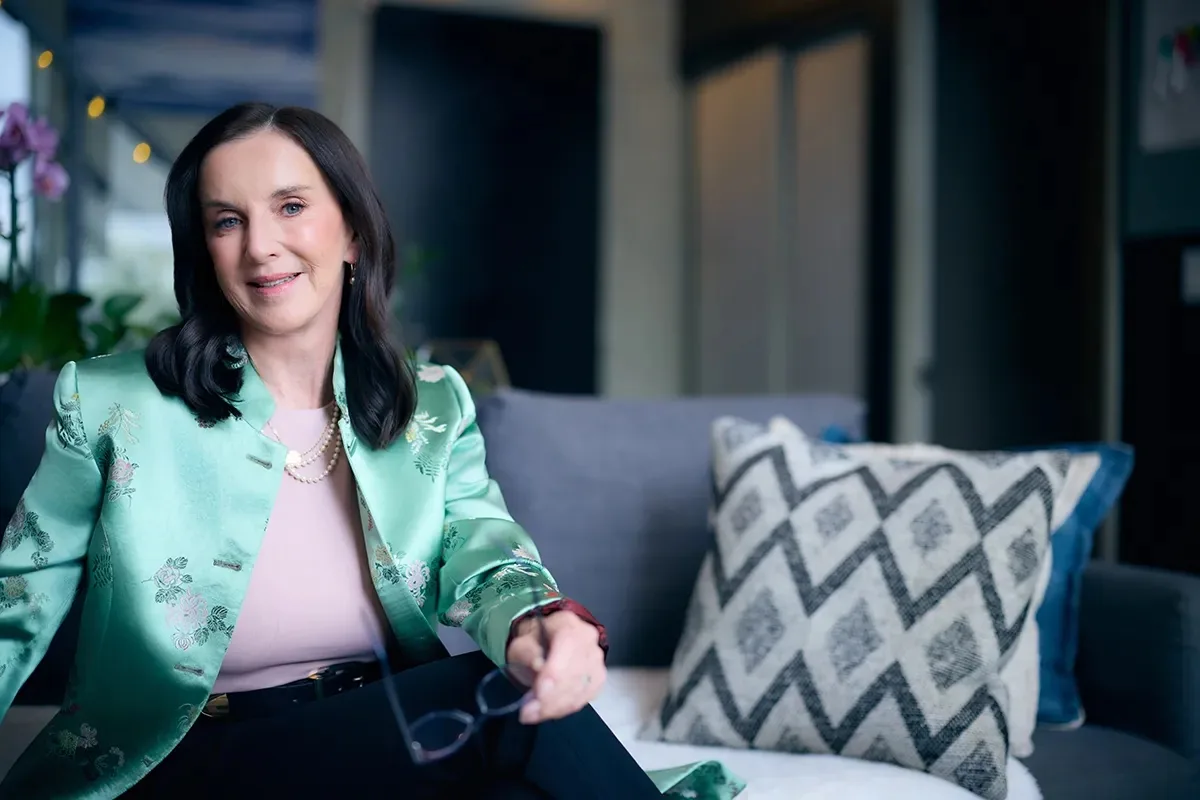
Dr. Jane Barratt seated on a sofa in a jade jacket

The Care Economy: Why Every System Collapses Without It

Health and social systems depend heavily on family caregiving. There is a persistent assumption that family or friends will be available to provide additional care, absorb pressure, and continue without limit. In reality, caregiving without adequate support erodes health, constrains income, reshapes identity, and closes off opportunity.

Read the full description

This keynote centres on that contradiction. Jane examines how systems rely on family caregivers to hold care together, manage gaps, and sustain daily life, while offering little protection when strain becomes unsustainable. Care is treated as a private responsibility, even though its absence would bring health systems, labour markets, and communities to a standstill.

The argument is direct. Care is productive. It sustains people and systems. When care is stretched beyond its limits, families are not failing. They are being failed by systems designed to rely on care without taking responsibility for it.

Learning outcomes
  1. Reposition care as a foundational public good and economic driver.
  2. Identify policy, leadership, and investment levers that strengthen care systems.
  3. Build organisational and societal resilience by supporting caregivers.
Portrait of Dr. Jane Barratt in a tweed jacket

When No One Is Responsible for the Whole Person

Most health and care systems are built to address single diseases and discrete episodes of care, while people's lives unfold across multiple conditions and changing needs over time. As complexity increases, the limits of this design become clear. Care fragments, coordination weakens, and responsibility becomes unclear.

Read the full description

When this happens, the work of holding care together shifts away from institutions and onto patients and families. They coordinate across services, repeat information, and manage follow-up, often compensating for gaps that no part of the system claims as its responsibility. What is frequently described as engagement is, in practice, a response to systems that are not designed to manage complexity.

This keynote examines how funding models, governance arrangements, and accountability structures shape these outcomes by prioritizing activity over continuity. Drawing on global policy experience, Jane shows what can change when responsibility for the whole person is deliberately held within systems, and how trust and better outcomes emerge when care is designed for complexity rather than convenience.

Learning outcomes
  1. Identify systemic design flaws that lead to fragmented care and unclear responsibility.
  2. Understand the hidden costs of shifting coordination work onto patients and their families.
  3. Learn strategies for redesigning systems to prioritize continuity and the "whole person".
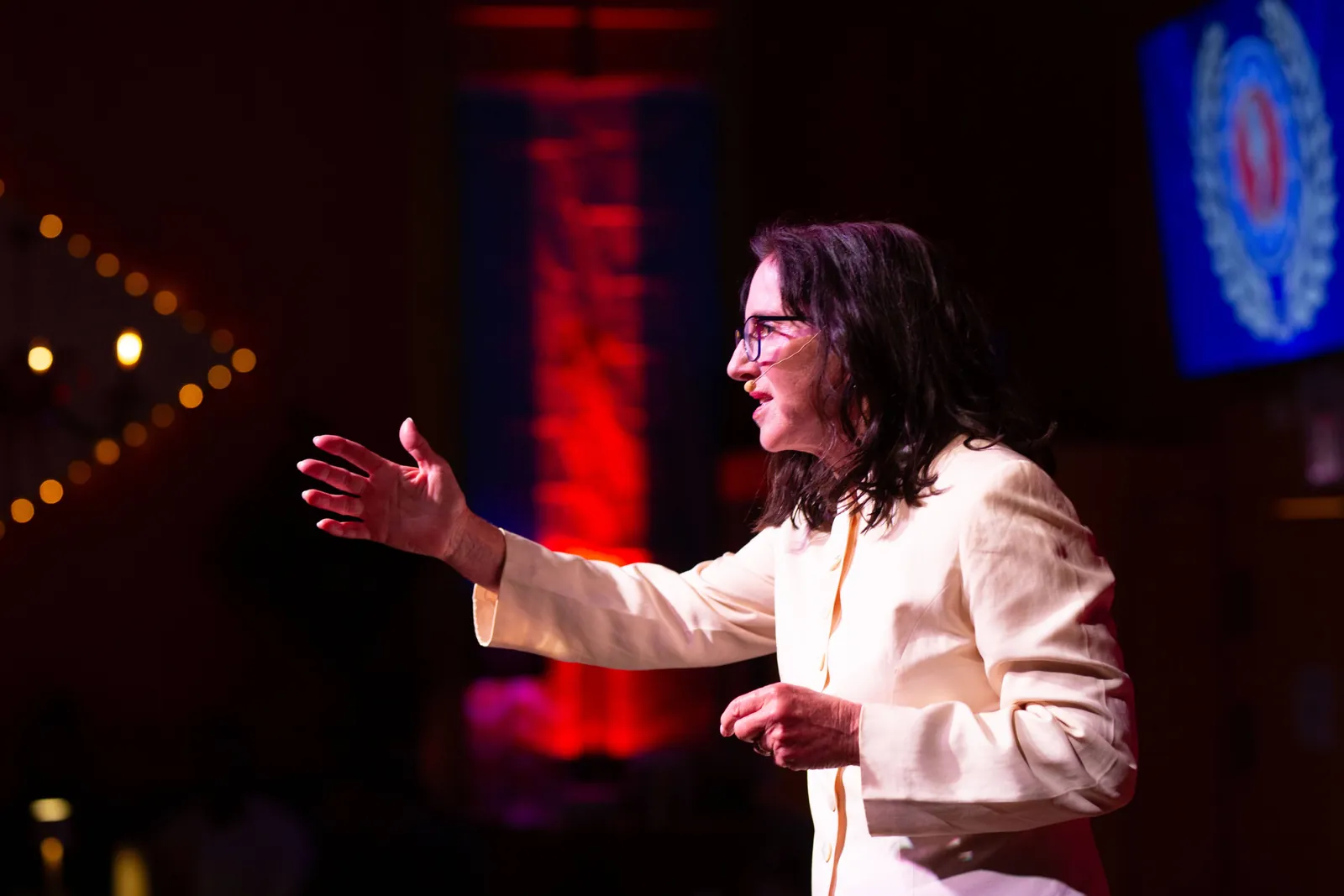
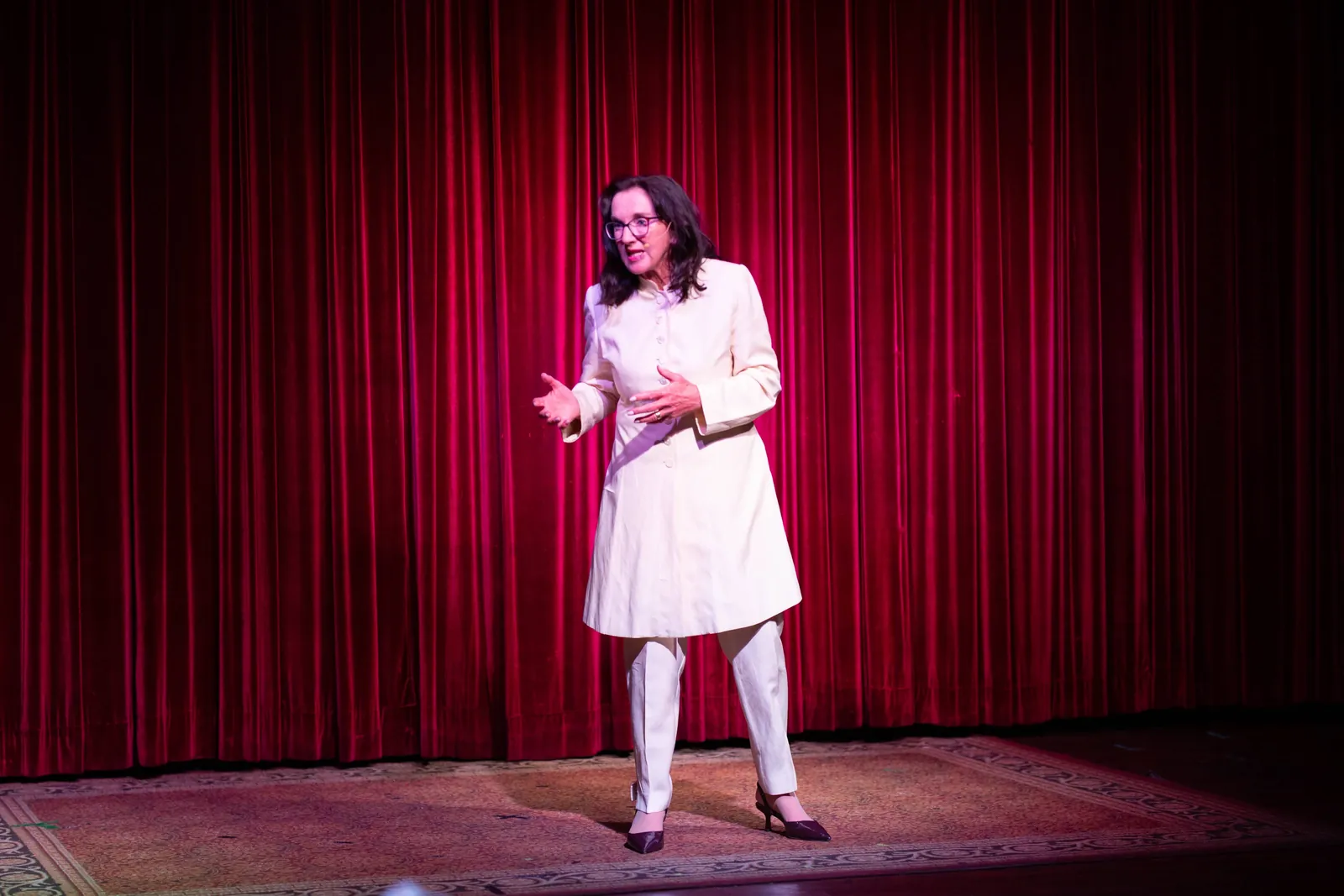
Jane Barratt speaking on stage in a white suit

Honest Ageing: The Cost of Reassurance

We celebrate longer lives yet often describe those same lives in terms of burden, cost, and strain. Between celebration and concern sits a language of ageing that reassures rather than prepares. It softens what later life can involve and, in doing so, leaves institutions poorly equipped for the reality they are already facing.

Read the full description

This keynote examines how the language used in ageing policy and practice shapes what systems notice, prioritize, and delay. Changing functional ability and capacity, multiple chronic conditions, and inequality shaped by place and policy are not exceptions in later life, but common features. Prevention most often arrives far too late, responsibility becomes diffuse, and accountability weakens.

Honest ageing is not about pessimism. It is about recognizing later life as it is lived, and understanding why honesty is essential to preparedness, equity, and effective design when systems are expected to respond to real conditions rather than comforting narratives.

Learning outcomes
  1. Identify how "reassuring" language in policy leads to deferred prevention and accountability.
  2. Assess the role of honesty in creating equitable and effective system designs for later life.
  3. Explore why early prevention is critical to managing changing functional capacity.
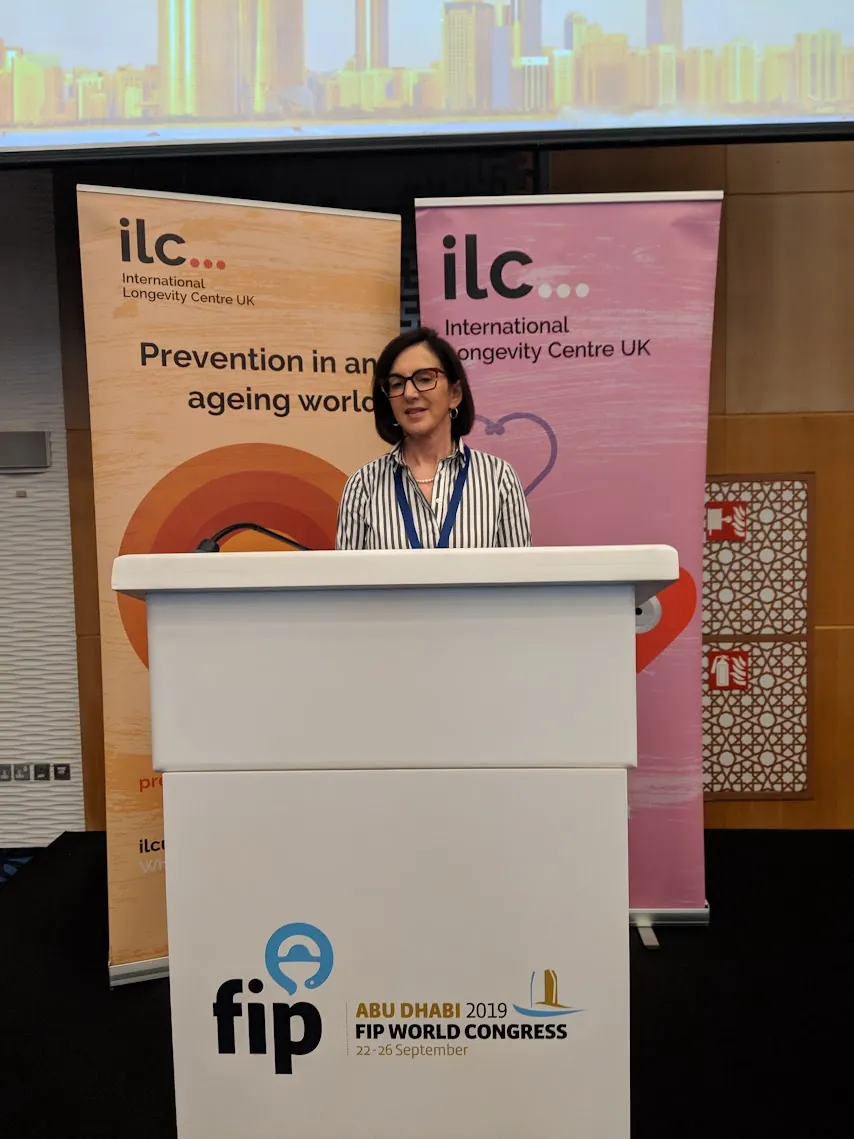
Jane Barratt speaking at a podium at an international congress

When Innovation Arrives Before Responsibility

Technology is not entering a neutral landscape. It is entering ageing and care systems marked by inequality, fragmented accountability, and uneven access. When responsibility is weak, technology does not fix problems. It exposes them.

Read the full description

In this keynote, Jane examines why trust in technology is not a technical issue, but a governance one. Digital tools can support autonomy, continuity, and connection, or deepen exclusion. What matters is not the technology itself, but what it is being asked to stand in for when systems fail to take responsibility.

Rather than asking what technology can do, this keynote asks harder questions. What happens when tools arrive before accountability? When speed outpaces ethics? When efficiency replaces care, and access is mistaken for equity? Jane explores the conditions under which technology earns trust over time, through design choices that protect dignity and ensure someone remains responsible for the whole person, not just the data they generate.

Learning outcomes
  1. Analyze why trust in healthcare technology is a governance issue rather than a technical one.
  2. Evaluate the ethical risks when digital tools arrive before clear accountability structures.
  3. Design technological integration that protects human dignity and supports patient continuity.

How Jane works with an event

Dr. Jane Barratt speaking on the Speaker Slam stage

Keynote

Opening or closing a conference, a leadership meeting or an awareness day. In person or online.

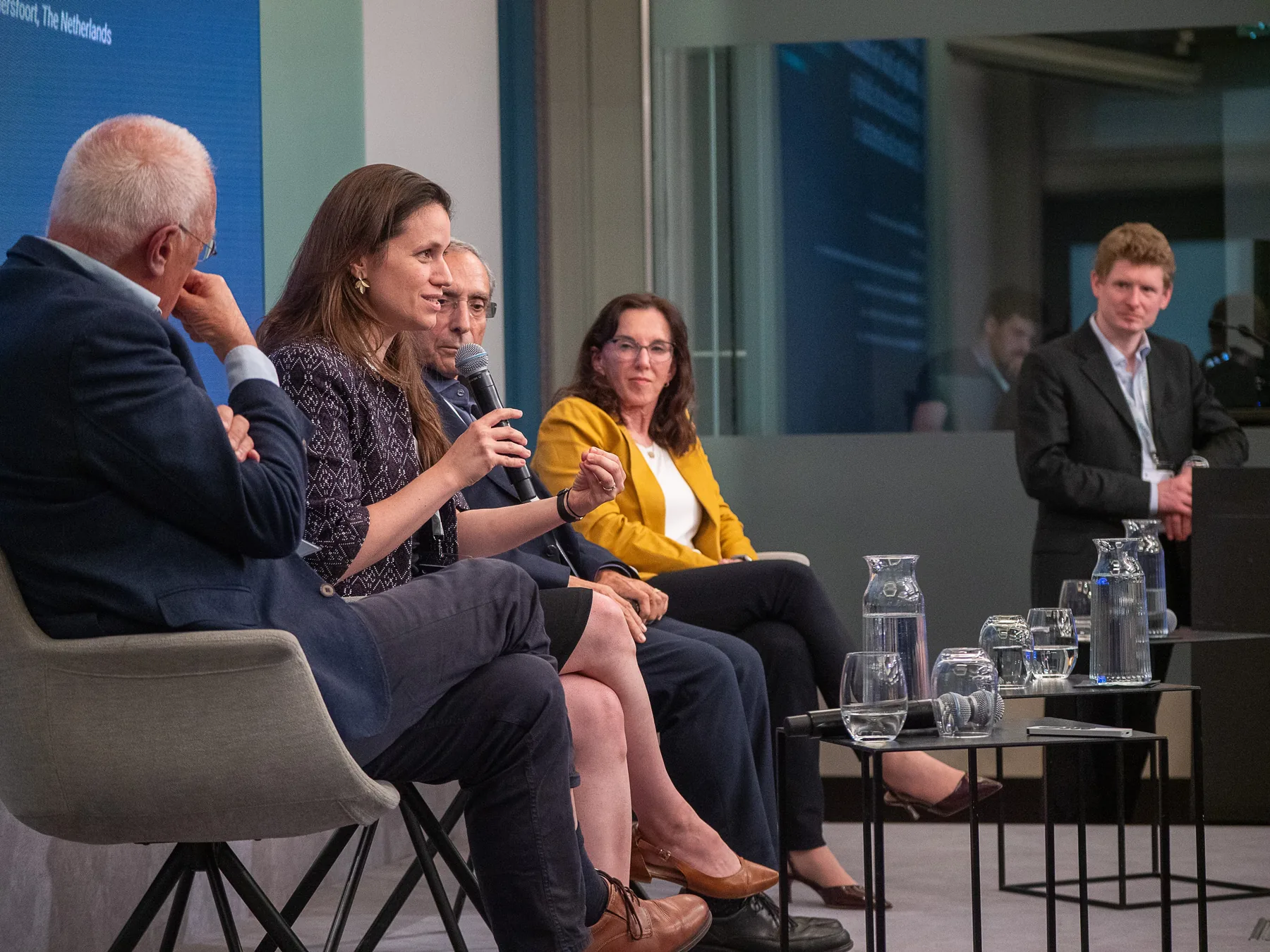
Dr. Jane Barratt on a panel at the ESWI Summit 2026

Moderator

Leading a panel or a plenary so that scientists, officials and industry speak to each other and to the room.

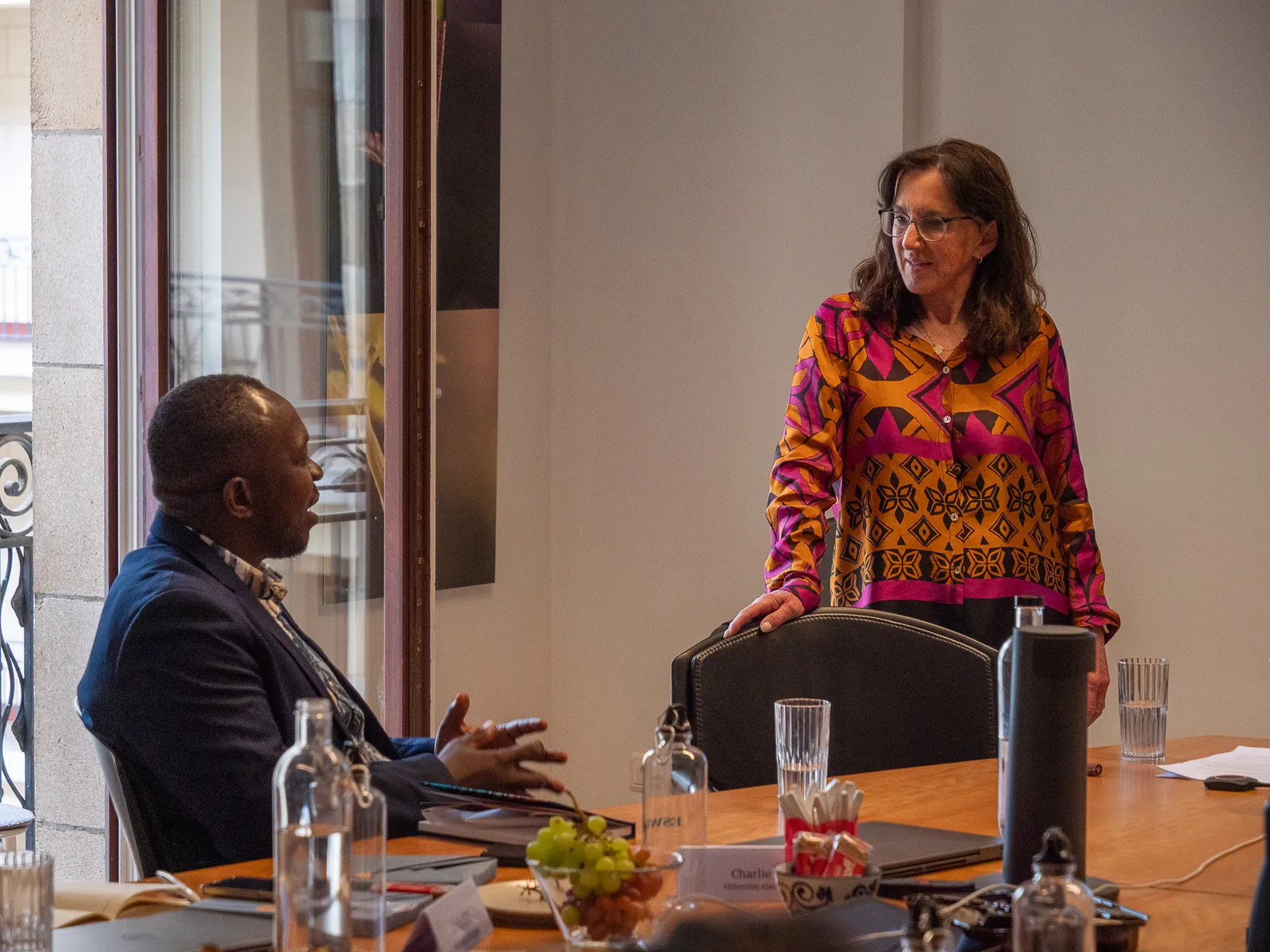
Dr. Jane Barratt leading a roundtable discussion

Chair and facilitator

Chairing expert meetings and working sessions that need to finish with an agreed position.

What Jane speaks about

Five areas, drawn from thirty years of work with governments, NGOs, academia and industry.

  • Ageism, rights, and the systems that decide who is seenAgeism in policy and practice, the rights of older people, and the proposed UN convention.
  • Healthy ageing, equity, and whole-of-society policyGlobal health systems, climate resilience, emergency preparedness, and the social conditions that shape health across the life course.
  • Adult immunisation, prevention, and life-course healthAdult vaccination, respiratory infection prevention and vaccine equity.
  • Long-term care, caregiving, and the unpaid care economyLong-term care reform, family caregiving, and what happens to caregivers when the role ends.
  • Age-friendly environments, vision health, and ageing in placeAge-friendly communities, the built environment and vision health in later life.
Dr. Jane Barratt on stage in front of a full audience
"No one gets to make someone else's life small."
Dr. Jane Barratt

Want Jane at your next event?

Send the date, the location and a line about your audience. Jane replies personally.